Meme detail
About this meme
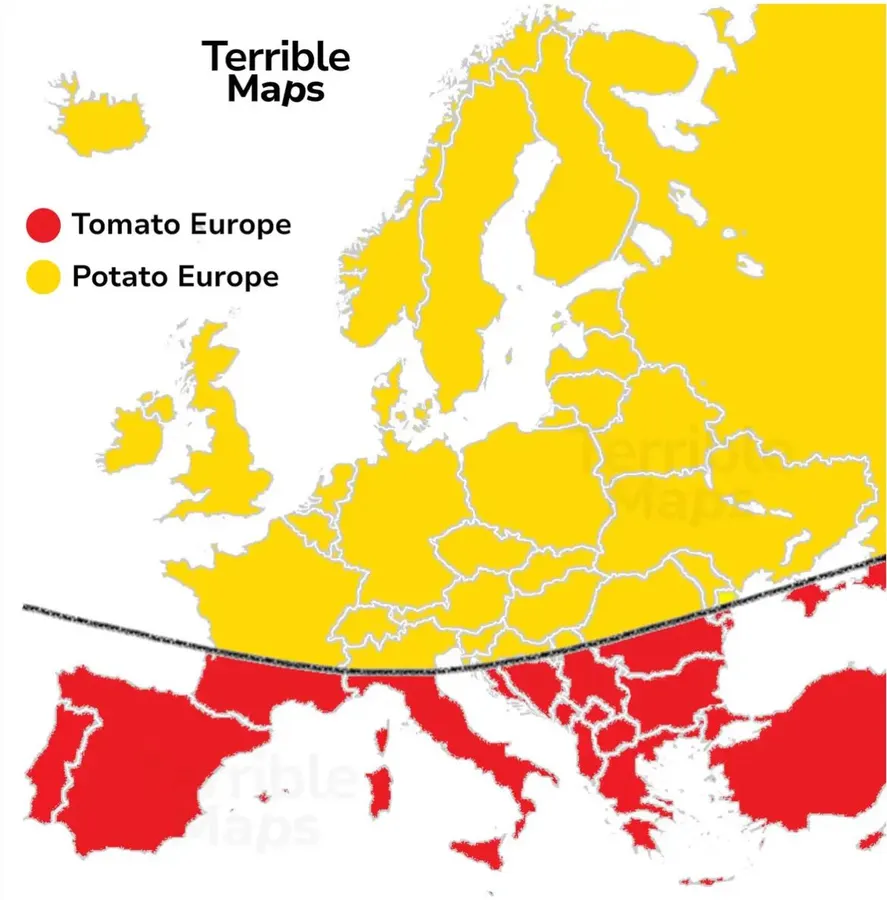
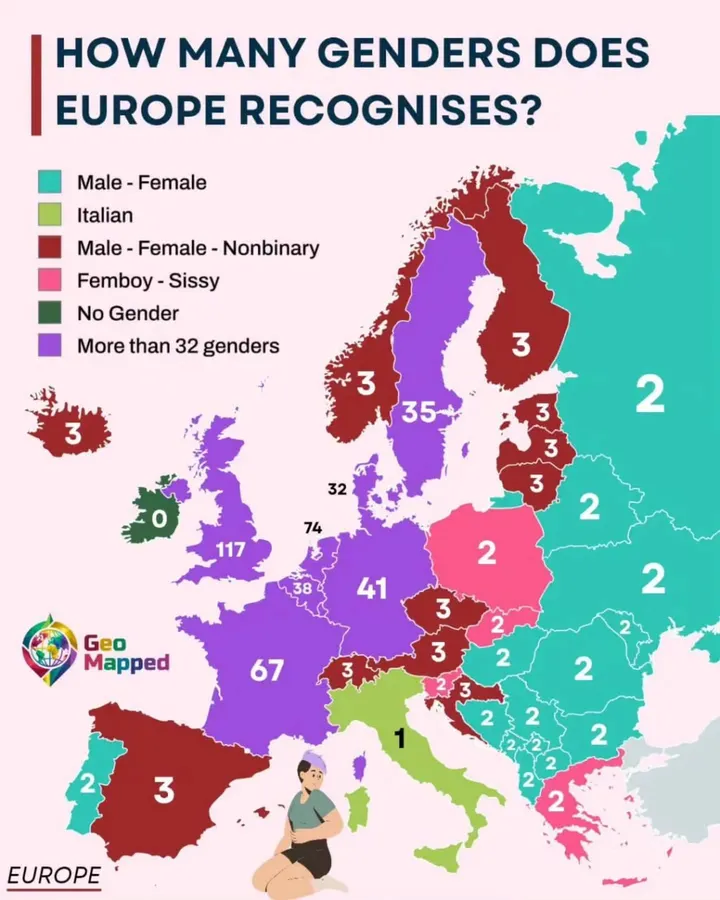
Text detected in the image
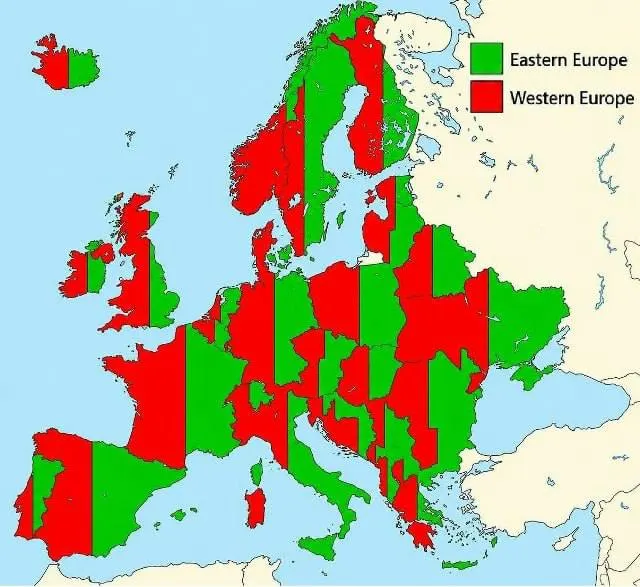
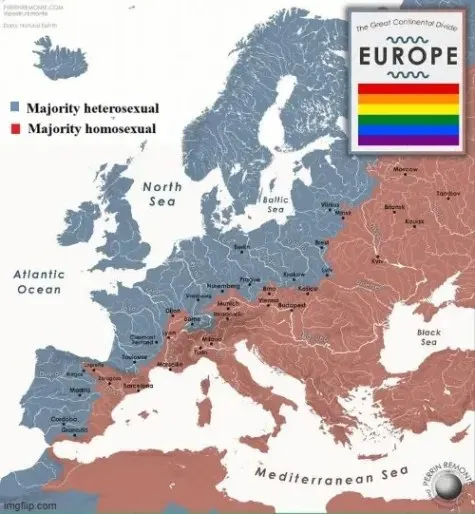
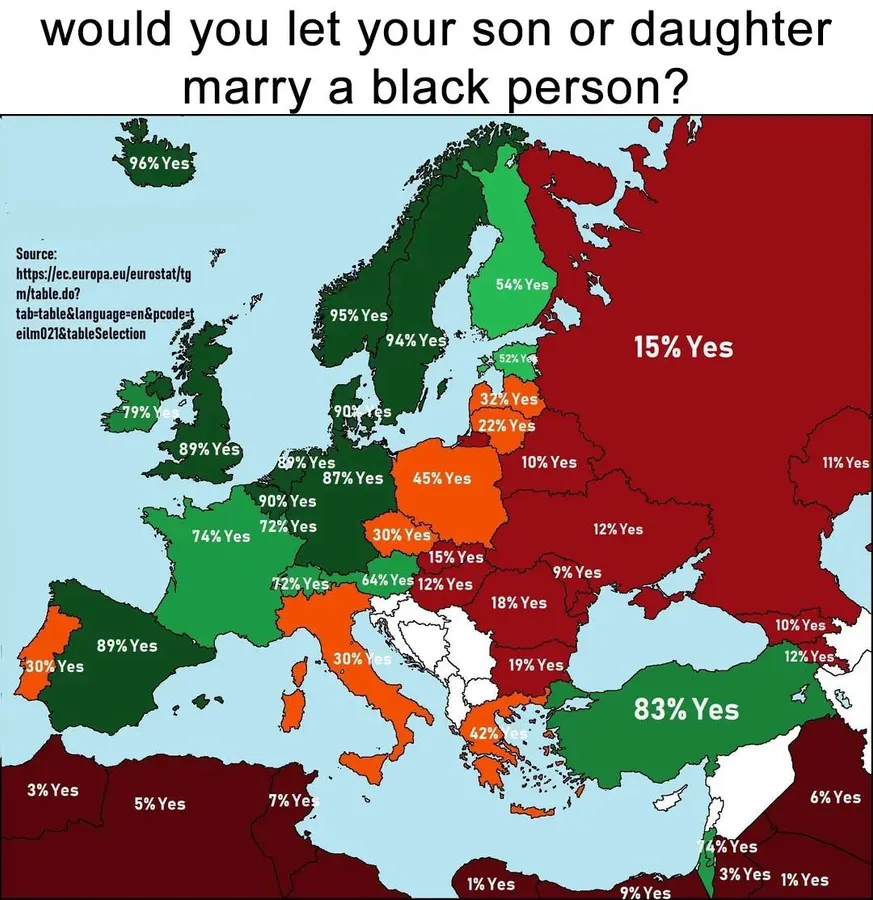
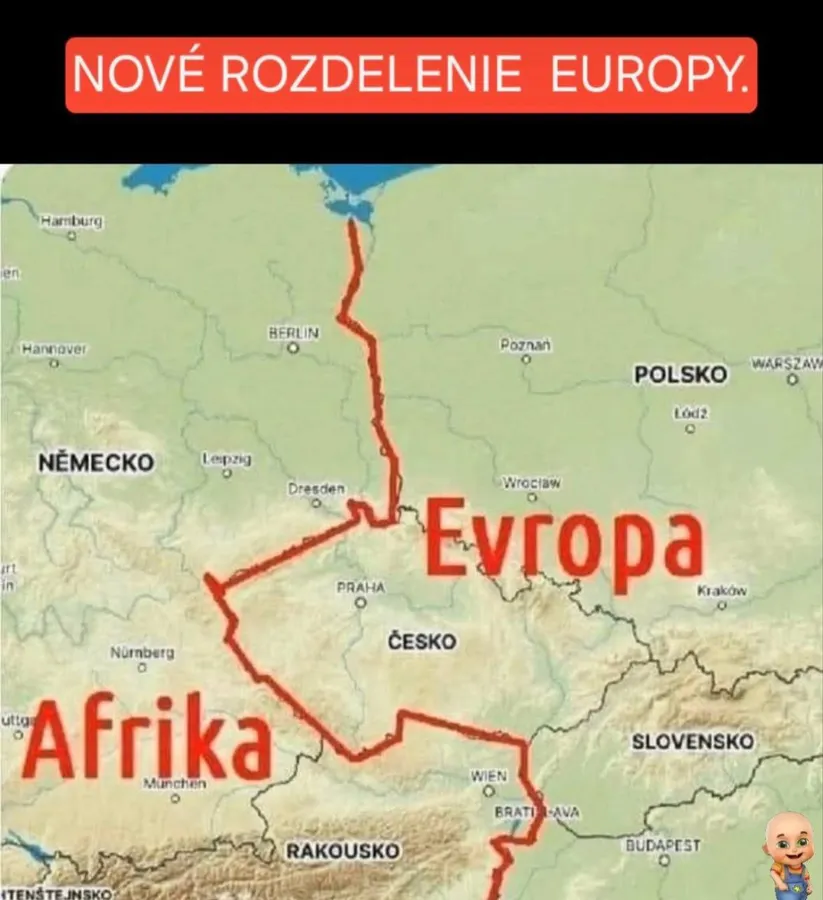
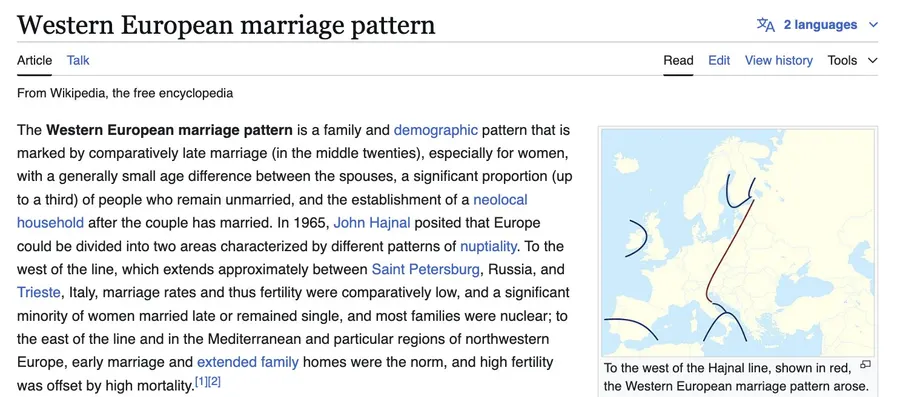
Western European marriage pattern 2 languages Article Talk Read Edit View history Tools From Wikipedia, the free encyclopedia The Western European marriage pattern is a family and demographic pattern that is marked by comparatively late marriage (in the middle twenties), especially for women, with a generally small age difference between the spouses, a significant proportion (up to a third) of people who remain unmarried, and the establishment of a neolocal household after the couple has married. In 1965, John Hajnal posited that Europe could be divided into two areas characterized by different patterns of nuptiality. To the west of the line, which extends approximately between Saint Petersburg, Russia, and Trieste, Italy, marriage rates and thus fertility were comparatively low, and a significant minority of women married late or remained single, and most families were nuclear; to the east of the line and in the Mediterranean and particular regions of northwestern Europe, early marriage and extended family homes were the norm, and high fertility To the west of the Hajnal line, shown in red, P was offset by high mortality.[1[2] the Western European marriage pattern arose.